Folding Tilt-in-Space vs. Rigid Tilt: Choosing the Right Base for Home, Clinic, and Travel
Selecting the right wheelchair base goes far beyond comfort. The choice directly impacts postural support, caregiver efficiency, transportation logistics, and long-term user safety.
For physical therapists, occupational therapists, and Assistive Technology Professionals (ATPs), understanding when to recommend a folding tilt-in-space versus a rigid tilt base can simplify evaluations and improve outcomes across home, clinical, and travel settings.
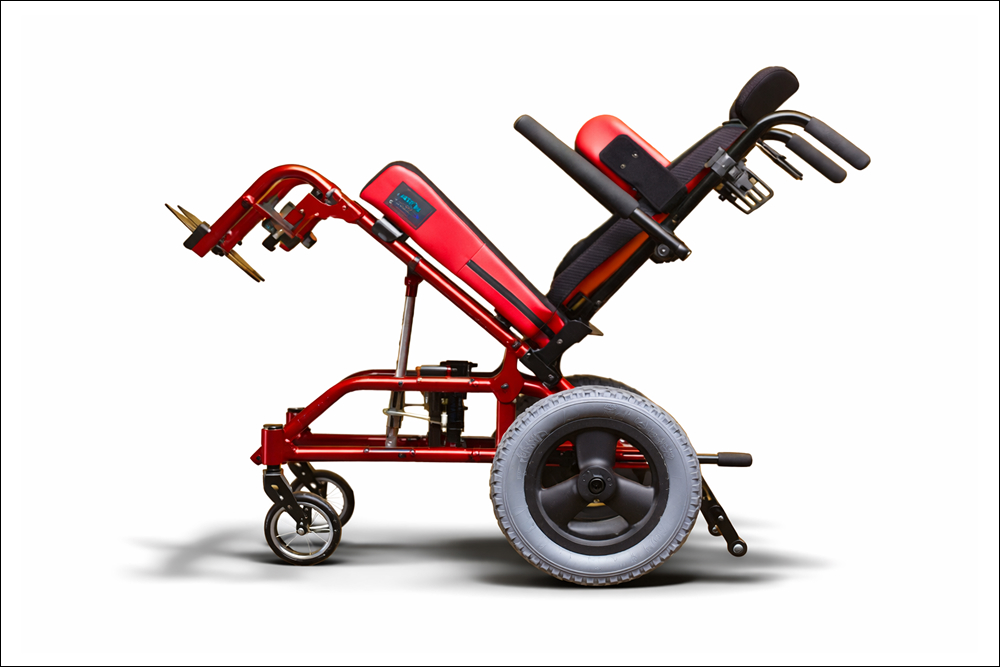
Folding tilt models like the NXT Folding Tilt offer remarkable portability at just 23 lbs without compromising stability, while rigid bases such as P.R.O. CG provides simplicity in durability and loading decisions.
This guide outlines key decision factors, practical comparisons, and real-world scenarios to help match each client with the right mobility solution.
1. Decision Tree: Environment, Transport, and Caregiver Needs
Home Use
Folding Tilt
- Ideal for families needing storage flexibility
- Easier vehicle loading and unloading
- Helpful in smaller living spaces or shared homes
Rigid Tilt
- Excellent for consistent daily indoor use
- Fewer adjustments once configured
- Stable platform for long periods of seated positioning
Clinical Settings
Folding Tilt
- Useful for equipment demonstrations
- Supports multi-patient environments where transport is frequent
- Flexible for trial fittings and short-term use
Rigid Tilt
- Designed for repetitive, high-volume clinical use
- Reduces setup time between patients
- Withstands long-term wear in busy therapy environments
Travel & Transportation
Folding Tilt
- Lightweight and easier for caregivers to lift
- Fits more easily into car trunks, rideshares, and taxis
- More airline-friendly for frequent travelers
Rigid Tilt
- Requires more planning during transport
- Provides exceptional stability once at the destination
- Ideal for users prioritizing performance over portability
2. Maneuverability and Performance
Folding Tilt
- Lightweight frames improve handling in tight indoor spaces
- Compact folding design supports urban living and frequent transitions
- Easier caregiver propulsion during transport scenarios
Rigid Tilt
- Improved energy transfer for self-propelling users
- More responsive handling and directional control
- Stable driving characteristics for active daily use
3. Maintenance and Long-Term Ownership
Folding Tilt
- Folding joints and hinges require periodic inspection
- Slightly more adjustment over time due to moving components
Rigid Tilt
- Fewer mechanical parts
- Simplified maintenance routines
- Often lower long-term repair needs in high-use environments
4. Real-World Examples
Home User
Sarah, 42, benefits from a folding tilt base that allows quick vehicle loading and easy storage between rooms, helping her caregivers manage daily routines efficiently.
Clinical Environment
A pediatric therapy center relies on rigid tilt bases to streamline therapy sessions, minimizing adjustments while supporting multiple patients throughout the day.
Frequent Traveler
Mark, 60, travels regularly by air and values the lightweight folding design, which allows smoother airport navigation while maintaining proper positioning support.
5. Making the Choice
When evaluating tilt base options, consider:
- Frequency of transportation
- Caregiver lifting and handling ability
- Available storage space
- User independence and activity level
- Expected daily usage intensity
Both folding and rigid tilt solutions serve important roles. The best outcomes occur when the base matches the user’s environment, lifestyle, and support system, not just clinical measurements.
Why It Matters
Choosing the correct base improves more than mobility. It reduces caregiver strain, enhances positioning consistency, and supports long-term participation in daily life.
Here at Freedom Designs, we continue to develop solutions that allow clinicians to balance portability, durability, and clinical positioning without compromise.
Ready to Learn More?
Not Sure Where to Start?
It looks like Javascript isn't enabled in your browser. Please enable it in order to fill out this form.