The ADA at 36: How Accessibility Continues to Shape Independence and Inclusion
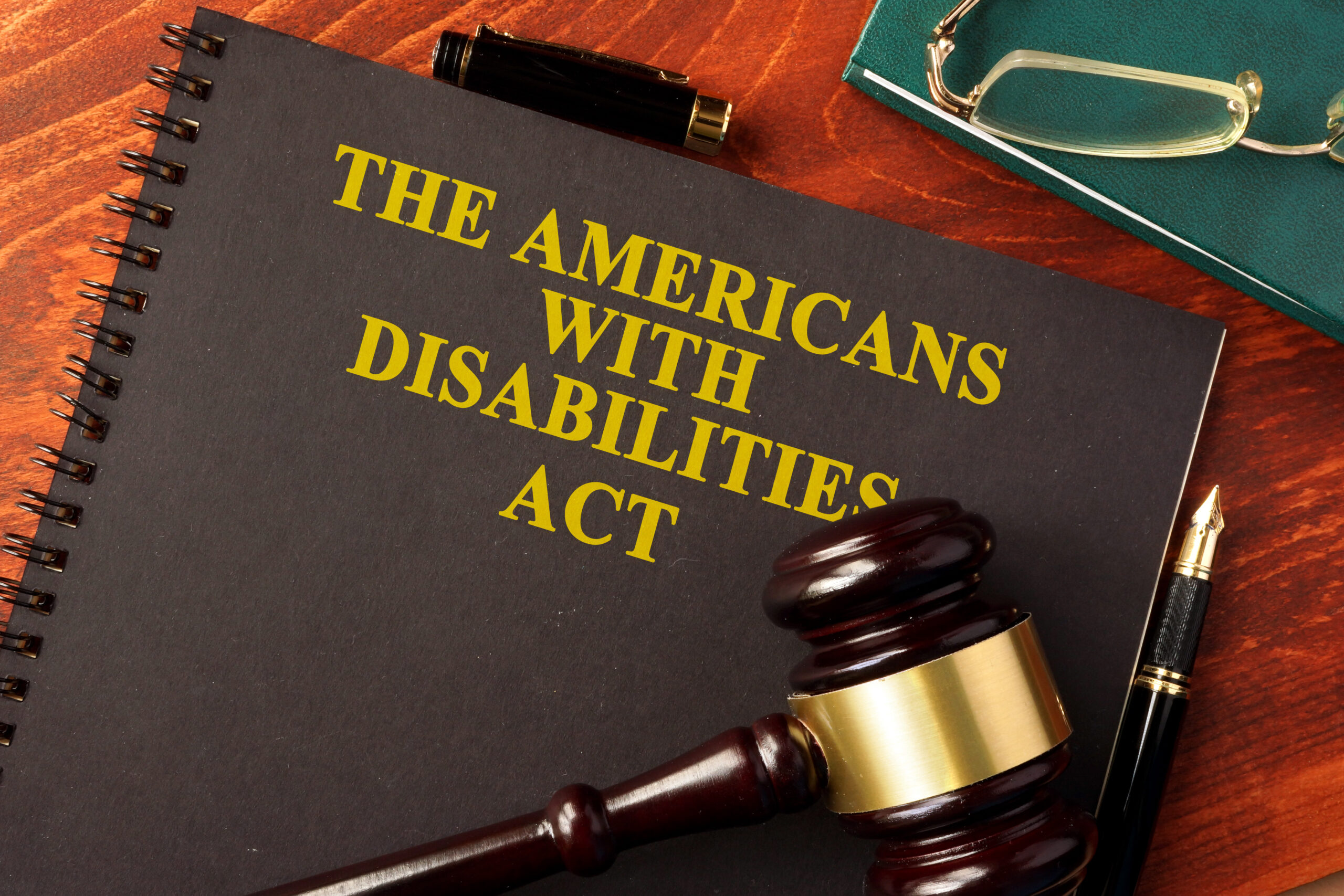
This July marks the 36th anniversary of the Americans with Disabilities Act (ADA), landmark legislation that transformed the way people with disabilities access public spaces, education, employment, transportation, and community life.
Signed into law by President George H.W. Bush on July 26, 1990, the ADA represented a major step forward in the fight for equal rights and accessibility. More than three decades later, its impact can be seen in communities across the country, helping create opportunities for greater independence, inclusion, and participation.
What Is the ADA?
The Americans with Disabilities Act (ADA) is a civil rights law that prohibits discrimination against individuals with disabilities. The law helps ensure equal access to employment, public services, transportation, telecommunications, and public accommodations.
Its goal is simple but powerful: to provide people with disabilities the same opportunities and rights as everyone else.
The ADA established standards for accessibility and accommodations that continue to shape the way businesses, schools, public agencies, and organizations serve their communities today.
How the ADA Changed Everyday Life
Many of the accessibility features we rely on today are the direct result of the ADA and the advocacy efforts that helped bring it to life.
Examples include:
- Wheelchair ramps and curb cuts
- Accessible entrances and pathways
- Designated accessible parking spaces
- Accessible public transportation
- Elevators and lifts
- Accessible restrooms
- Workplace accommodations
- Improved digital accessibility
These changes have helped millions of people navigate their communities, pursue careers, access education, and participate more fully in everyday life.
In addition to improving physical accessibility, the ADA also established protections for individuals who rely on service animals. Under the law, trained service animals are generally permitted to accompany their handlers in public places where the public is allowed to go, including businesses, restaurants, schools, and government facilities.
These protections help individuals with disabilities navigate daily life with greater independence and confidence. Service animals can assist with a wide range of tasks, from guiding individuals with visual impairments to providing mobility support, medical alerts, and other essential assistance.
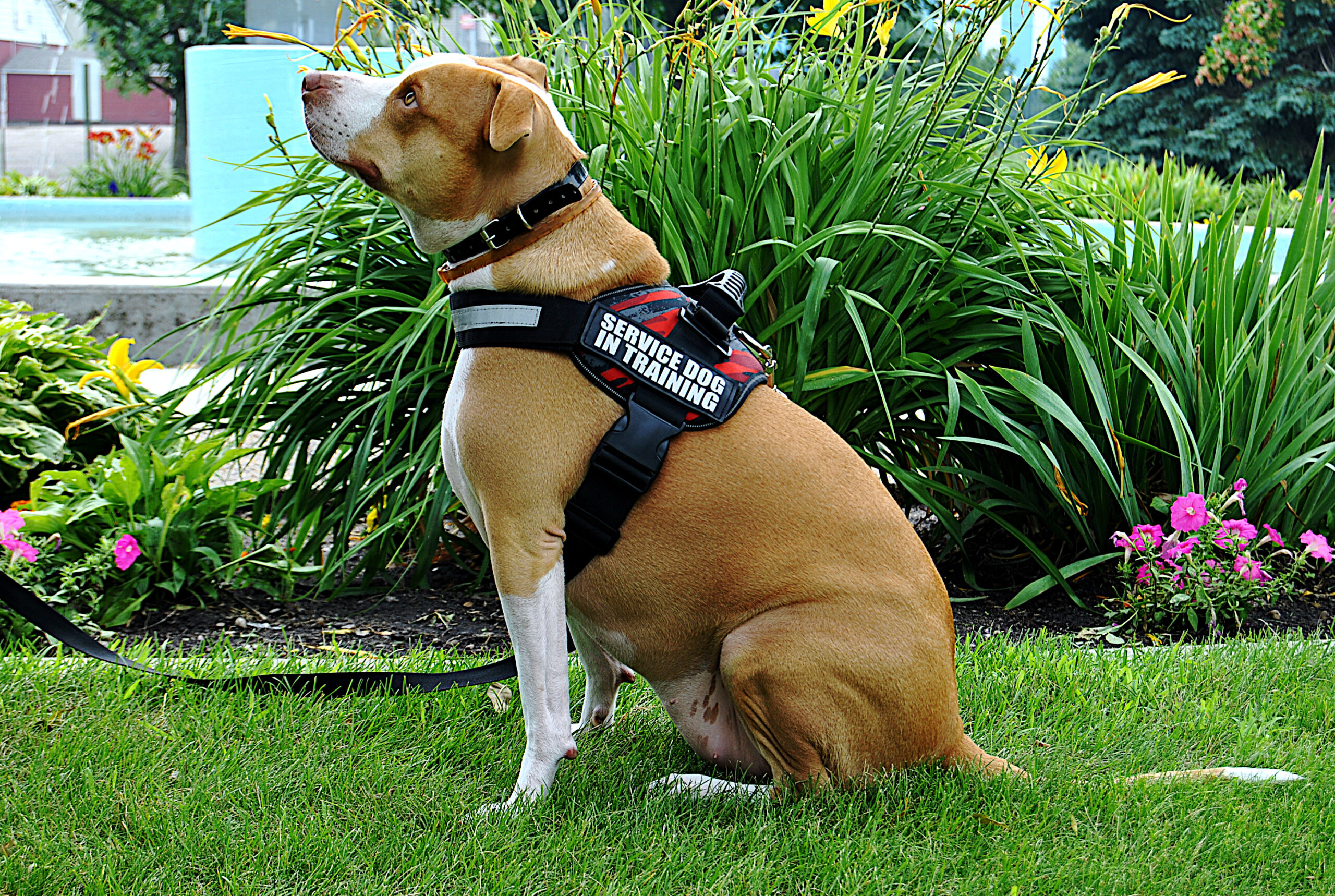
Together with accessible spaces, transportation, and mobility solutions, service animals play an important role in helping people participate more fully in their communities.
Accessibility Is More Than Compliance
While ADA compliance provides an important foundation, true accessibility goes beyond meeting minimum requirements.
Creating inclusive environments means recognizing that every person has unique needs, goals, and challenges. Accessibility is not simply about removing barriers; it's about creating opportunities for individuals to participate, contribute, and thrive.
Whether at school, at work, at home, or in the community, meaningful accessibility empowers people to live more independently and engage more fully in the activities that matter most.
The Role of Personalized Mobility Solutions
Mobility devices and adaptive equipment play a critical role in supporting independence and participation.
For many individuals, standard equipment may not fully meet their physical, positioning, or mobility needs. Personalized mobility solutions can help improve comfort, safety, functionality, and quality of life.
Customized equipment can make a meaningful difference in a person's ability to access education, pursue employment, engage in recreation, and connect with family and friends. By addressing individual needs, personalized mobility solutions help turn accessibility into real-world independence.
Looking Ahead
Thirty-six years after the passage of the ADA, its impact continues to shape a more accessible and inclusive future. Yet accessibility remains an ongoing journey that requires continued innovation, advocacy, and collaboration.
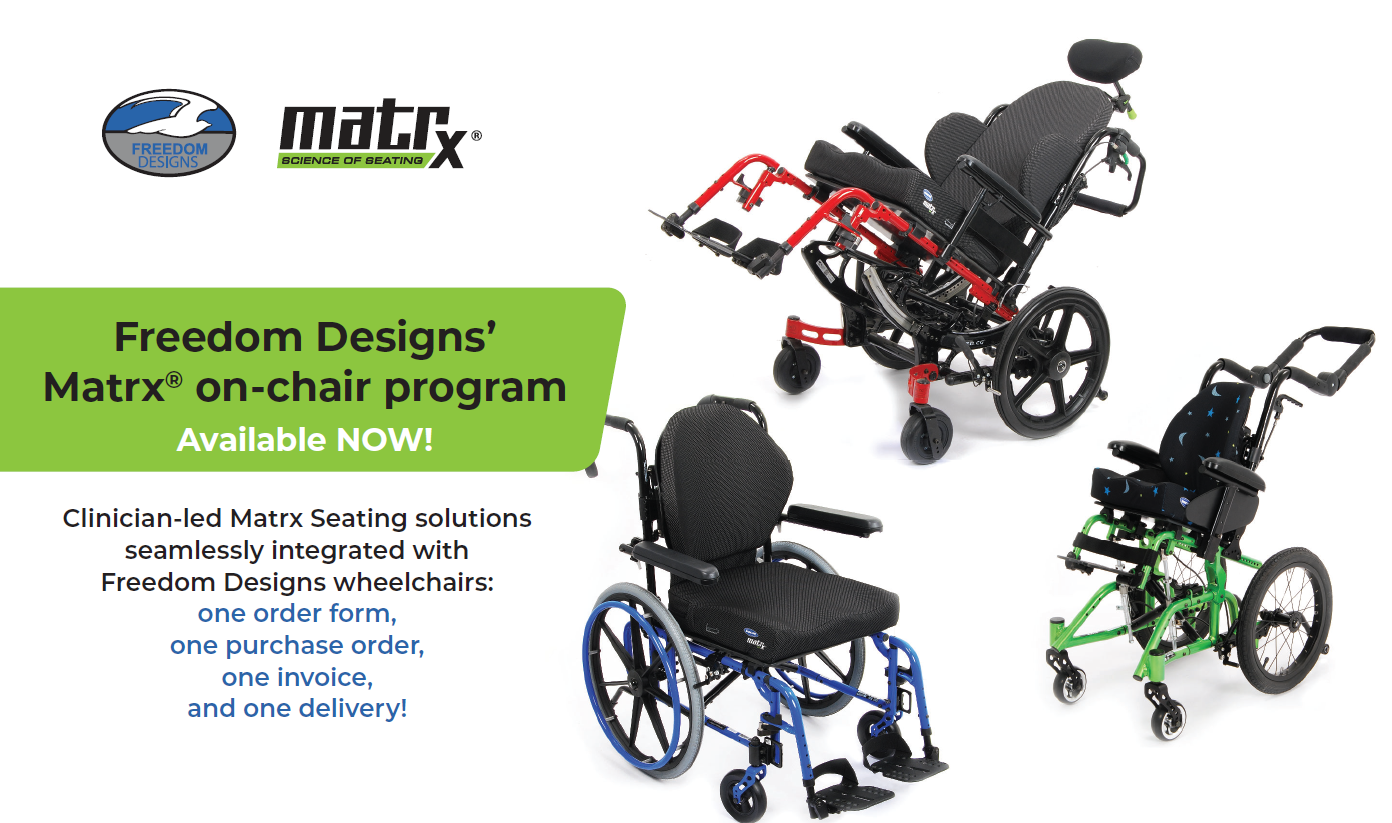
At Freedom Designs, we're proud to support that mission by creating customized mobility solutions that empower individuals to move, participate, and live with greater independence.
As we celebrate the ADA's 36th anniversary, we also recognize the advocates, caregivers, professionals, and individuals who continue working to build a world where accessibility and inclusion are available to everyone.
Ready to Learn More about Freedom Designs?
Call: (833) 987-5800
Contact Us
Request a Quote
Not Sure Where to Start?
It looks like Javascript isn't enabled in your browser. Please enable it in order to fill out this form.