Dynamic Seating: When Movement Improves Participation for Kids with CP/ASD
Why Dynamic Seating Matters Now
Pediatric therapists continue to look for seating solutions that do more than hold a child in place. Recent studies and case reports suggest that dynamic seating can play a meaningful role in improving tone, range of motion, behavior, and overall participation for select children with cerebral palsy and autism spectrum disorder.
Dynamic seating allows controlled movement while maintaining alignment and support. Instead of restricting motion, these systems work with the child’s natural need to move. When applied thoughtfully, dynamic components can support engagement, functional participation, and comfort across daily activities.
Who Benefits Most From Dynamic Seating
Dynamic seating is not appropriate for every child. It is most effective when paired with clear clinical reasoning and individualized goals. Children who may benefit include:
- Children with fluctuating tone who fatigue quickly in static seating.
- Children who demonstrate sensory seeking behaviors that interfere with task engagement.
- Children who rely on movement to regulate attention and arousal.
- Children who show improved postural responses when movement is allowed rather than restricted.
Clinical judgment is essential. Dynamic seating should always support function, not introduce instability or compromise safety.
Writing Goals That Support Dynamic Seating
To justify dynamic seating, goals should be functional, measurable, and participation focused. Rather than emphasizing posture alone, consider goals such as:
- Increased time engaged in classroom or table top activities.
- Improved head and trunk control during functional tasks.
- Reduced behavioral disruptions related to discomfort or sensory needs.
- Increased tolerance for seated positioning throughout the school day.
Well written goals help connect dynamic components to real world outcomes that matter to the child and care team.
Measuring Outcomes and Progress
Tracking outcomes is critical when dynamic seating is introduced. Useful measures may include:
- Duration of functional sitting tolerance.
- Observed changes in muscle tone or postural responses.
- Behavioral observations related to attention and regulation.
- Feedback from caregivers, teachers, and the child when appropriate.
Consistent data collection helps determine whether dynamic features are enhancing participation or if adjustments are needed.
Components to Consider Alongside Tilt
Dynamic seating is not just about movement. It works best when paired with proper positioning components. Consider how the following interact with dynamic features:
- Headrests that support alignment without limiting functional movement.
- Hip guides and pelvic positioning to promote stability at the base of support.
- Trunk supports that balance containment with freedom of motion.
- Seat and back angle adjustments that complement dynamic mechanisms.
Tilt in space can still play a role, especially for pressure relief and tone management. The key is integrating tilt with dynamic elements in a way that supports function rather than replacing one approach with another.
Freedom Designs and Dynamic Seating Solutions
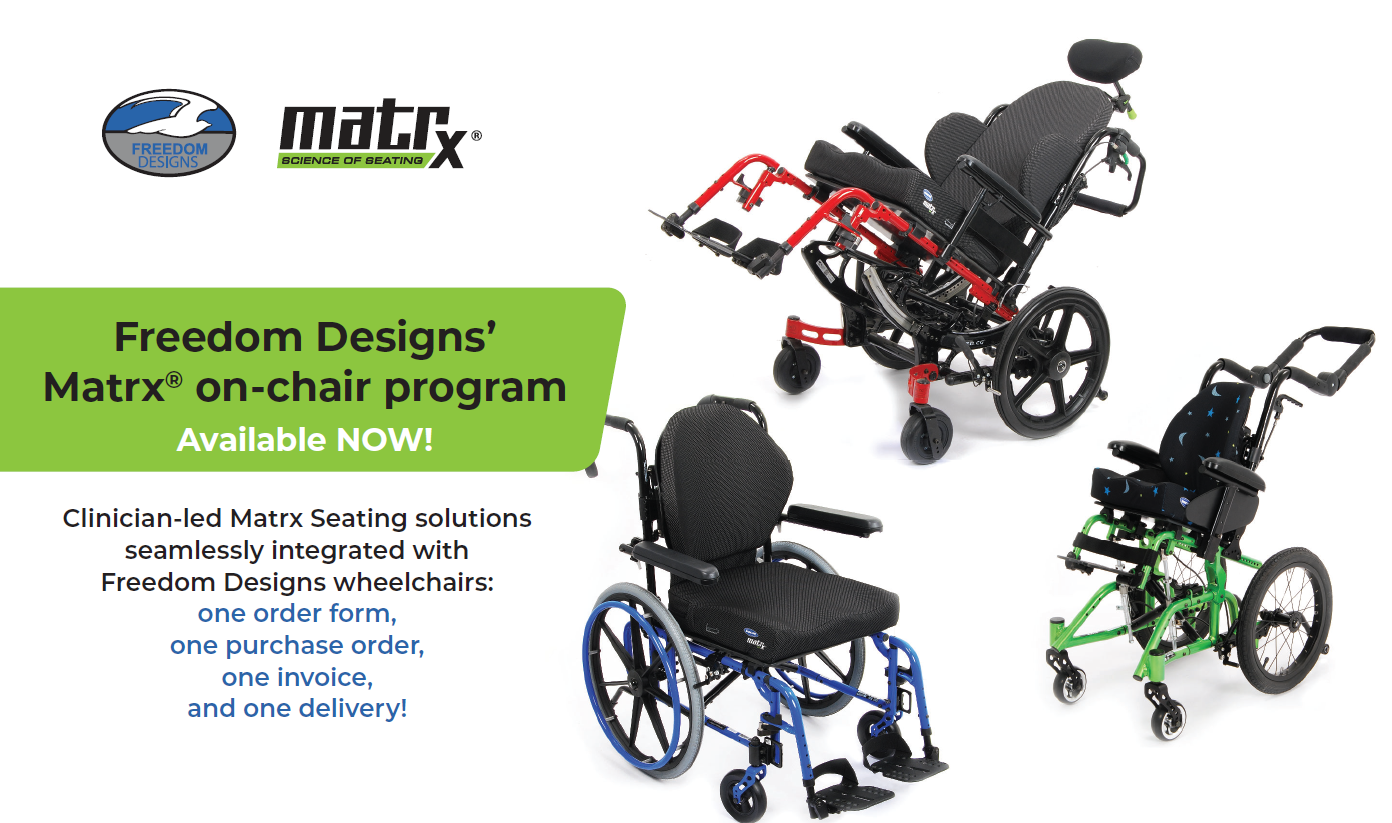
Freedom Designs offers customizable seating and positioning systems that can be configured to support dynamic needs. With adaptable frames, specialized headrests, and modular hip and trunk supports, therapists can build systems that allow movement while maintaining alignment and safety.
Freedom Designs also values collaboration with leaders in the seating community. Our connection with Seating Dynamics reflects a shared commitment to evidence informed practice and individualized solutions for children with complex needs.
When dynamic seating is thoughtfully applied, movement becomes a tool for participation, not a barrier.
Call Us at (833) 987-5800
Contact Us
Request a Consult
Not Sure Where to Start?
It looks like Javascript isn't enabled in your browser. Please enable it in order to fill out this form.