Lower-Extremity Positioning That Actually Works: LEAF & MAPS in Complex Presentations
Positioning challenges, simplified.
When it comes to complex lower-extremity presentations such as windswept, abduction, adduction, or plantarflexion, standard wheelchair frames often limit the therapist’s ability to achieve and maintain optimal alignment. The result is compromised posture, reduced function, and an ongoing battle between comfort and correction.
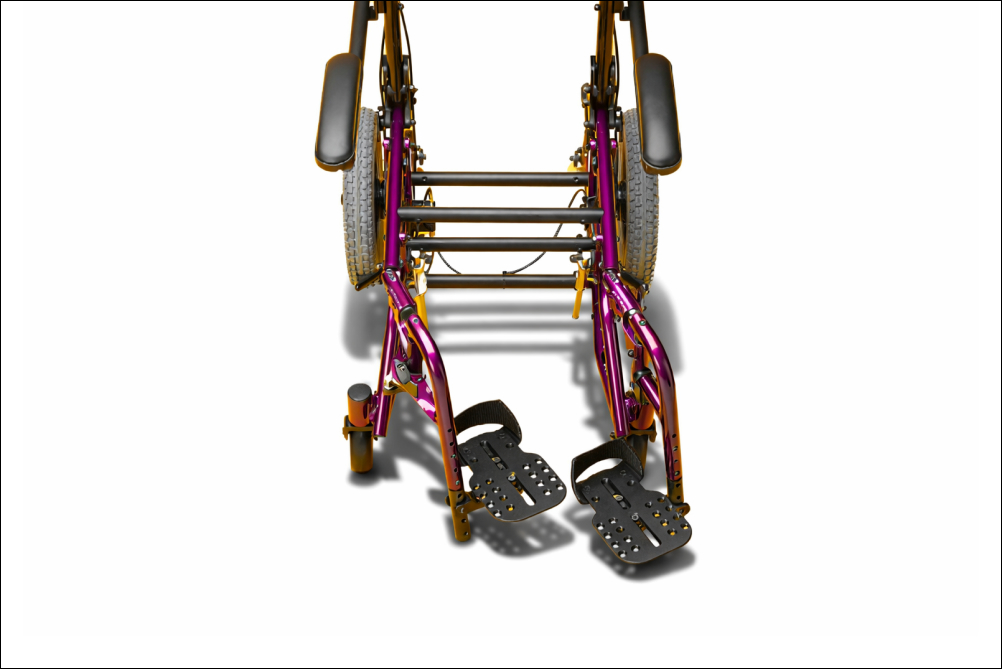
Freedom Designs’ LEAF and MAPS systems change that equation. Purpose-built for multi-axis accommodation, they give clinicians the fine-tuned control needed to address asymmetry and tone without fighting fixed geometry.
Common Lower-Extremity Deformities to Consider
Before setup, it is essential to define what you are working with.
- Abduction/Adduction: Hips rotating outward or inward beyond neutral, affecting balance and transfer safety.
- Windswept Deformity: One leg abducted and the other adducted, creating pelvic rotation and lateral instability.
- Ankle Plantarflexion or Inversion: Impacts foot placement, propulsion efficiency, and pressure management.
These are the real-world cases where traditional static mounts fall short. This is where LEAF and MAPS deliver measurable improvement.
Step-by-Step: Setting Up for Success
- Start with the Pelvis: Establish a neutral or functional pelvic base before addressing the lower limbs.
- Integrate LEAF (Lower Extremity Alignment Frame): Adjust each limb’s angle independently for abduction, adduction, and windswept presentations.
- Add MAPS (Multi-Axis Positioning System): Fine-tune rotation, elevation, and angle to achieve optimal foot contact and loading.
- Verify Support in Motion: Reassess during propulsion and transfers to confirm alignment stability.
Each component allows targeted, repeatable adjustments that make even complex setups efficient to dial in.
Caregiver Training: Making It Practical
Effective positioning only works when it is maintainable. Train caregivers to:
- Recognize key alignment points (knees, ankles, hips).
- Make small, safe adjustments as needed for comfort or daily changes.
- Recheck symmetry after transfers or cushion changes.
The goal is consistency without requiring a clinician every time something shifts.
Outcomes Worth Tracking
Clinicians should document and monitor:
- Pelvic symmetry and pressure distribution.
- Lower-extremity range and tone response.
- Ease of transfers and functional reach.
- Caregiver compliance and positioning durability.
Over time, the difference becomes clear. You will see improved posture, fewer equipment breakdowns, and better participation in daily life.
Freedom’s Purpose-Built Solution
The Freedom P.R.O. CG Wheelchair integrates both LEAF and MAPS, providing unmatched flexibility for clinicians tackling complex postural needs. Purpose-built for multi-axis adjustment, it empowers PTs and OTs to deliver precision positioning that actually lasts.
Ready to Simplify Complex Positioning?
Call Us at (833) 987-5800
Contact Us
Request a Quote
Not Sure Where to Start?
It looks like Javascript isn't enabled in your browser. Please enable it in order to fill out this form.